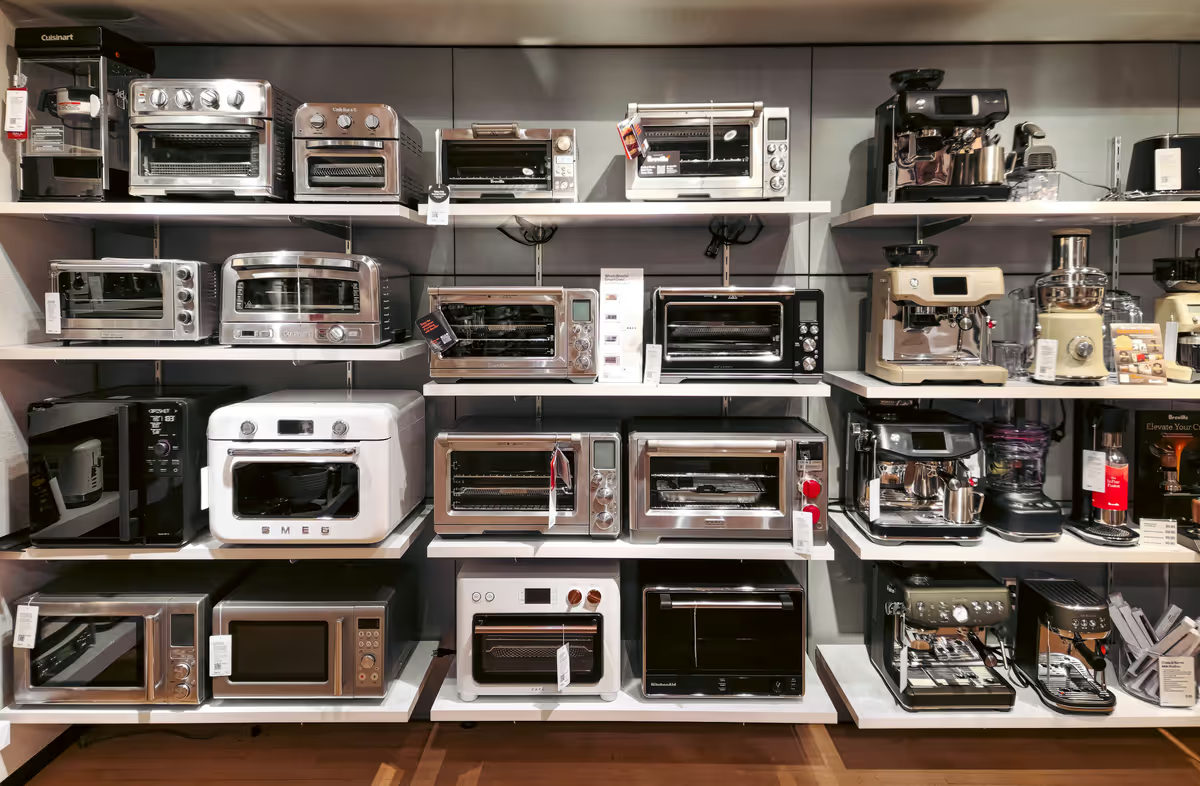
Microwaves forever changed us
I’ve been contemplating value since I was a teenager.
I’ve been contemplating value since I was a teenager.
I grew up in the microwave age.
Fast. Disposable. Efficient.
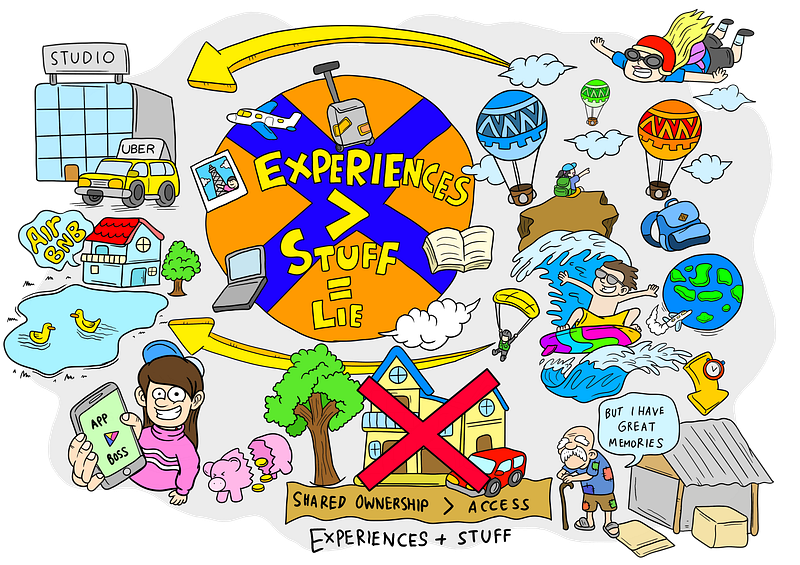
In the age of things being easy over holistic and intelligent. Of swipe dating. Of push button rides. Of freedom attached to experiences rather than possessions. Of impatience.
The internet grew up as I did. My childhood was riddled 12 hour surfing sessions. Long phone conversations and firm plans slipped away, forever replaced by witty text messages and the flakiness of FOMO.
The divide happening wasn’t named, but my senses told me that something was taking us from from ourselves.
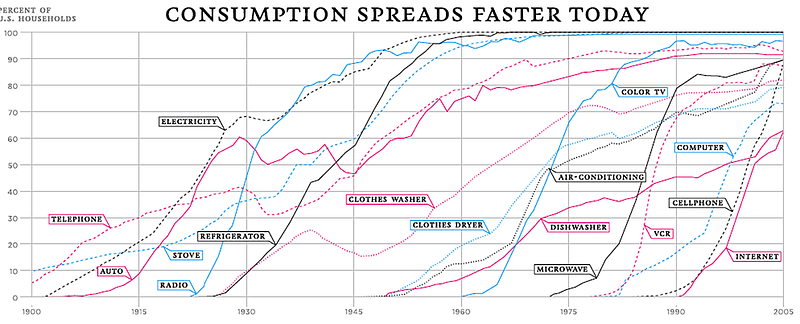
Mom and pop stores morphed to the convenience of Walmart. Rooted relationships fell to the fantasy of living anywhere. And just as the demand for microwaves started to tail off, computer sales continued to rise.
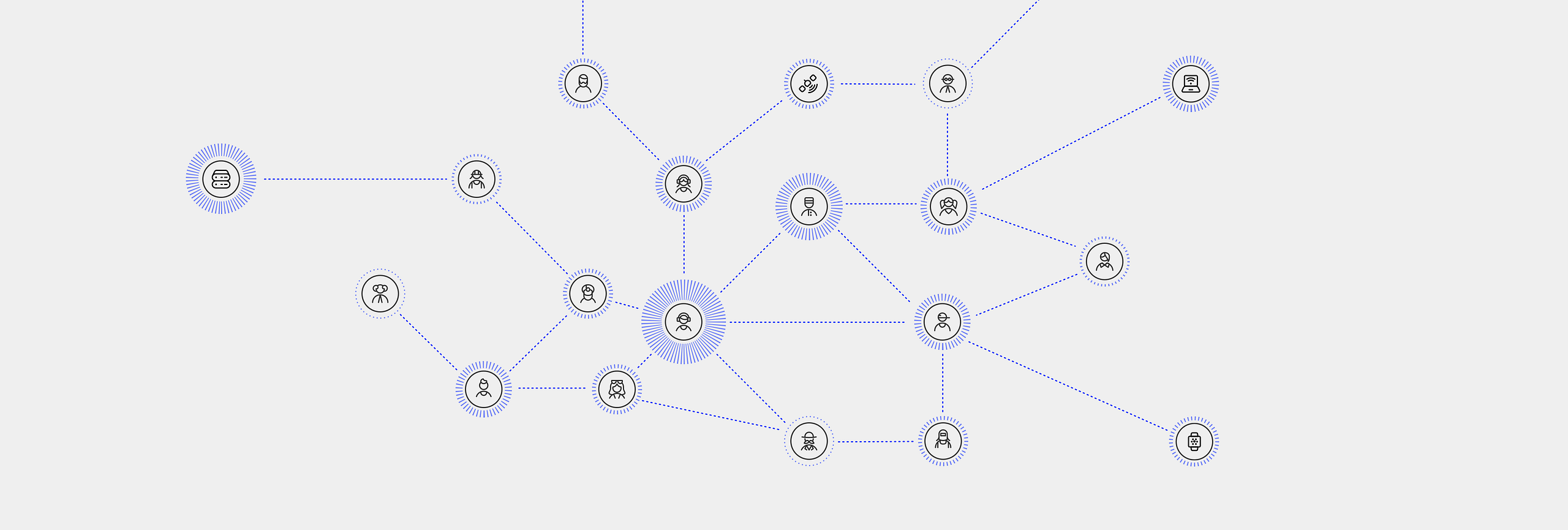
The summers I spent outside, digging an underground fort in the backyard — turned to starring at screens so long I forgot my name. I was ‘connected’ through Facebook, the ability to actively question anything, the device that marked my every location, and this global network of ‘friends.’
As we garner more tools, we become increasingly removed from where our food and the raw materials needed for possessions originate. With just-in-time delivery, our capacity for anticipation has nullified.
These overlapping trends and cultural agreements give rise to the machine age of automation, eventually obfuscating ourselves, bypassing the ecology of the planet, neglecting the human condition. And this is definitely connected to two minute microwave meals and fast food.
Post-industrial revolution, the goal seemed to be building an ever prosperous markets via economies of scale. Before that, humans wanted to eradicate disease and at least in this country, build a nation that valued life, liberty, and the pursuit of happiness.
I keep hearing that technology will save us, eradicating poverty and raising global standards. And yet, abundance is anything but distributed. Our systems are not setup for sharing. They are bolstered by investment schemes that work for those they serve.
We should ask — who or what is efficiency for?
Efficiency only works if we know what we value. Quickness isn’t the problem — our values are at the root of the chaos. What do we value? How do we express this value? And how does our collective expression of value give rise to reinforcing that value?
These existential questions have sent me into a journey — reflecting on my relationship with myself, the planet, and fellow humans. These questions continue to change my spending patterns, the way I think about ownership sharing, and community.
What do you think?